Resilience Strategies
The R³ block of TECARP addresses the question of how complex adaptive systems sustain function under stress, absorb perturbation without catastrophic reorganization, and can convert disturbance into increased capacity. Resilience, in the strict ecological sense, describes the magnitude of disturbance a system can absorb before crossing a threshold into a new stability domain (Holling, 1973). Antifragility, as articulated by Nassim Taleb, goes further: it names the class of systems that gain from disorder (Taleb, 2012). The strategies gathered here span the full range, from basic buffering capacity to reflexive learning to the relational substrates on which all durable adaptations depend.
Resilience is the maintenance of core function across a range of perturbations that would dissolve a less organized system.
The three primary strategies are redundancy, reflexivity, and relational trust. They form an interlocking architecture: redundancy buys time, reflexivity uses that time to update, and relational trust determines whether the adaptations that emerge are shared and coherent rather than individuated and fragile. Additional antifragile mechanisms are treated below. They are all grounded in evidence from ecology, disaster research, complexity science, and historical case analysis (Aldrich, 2012; Walker & Salt, 2006).
Redundancy
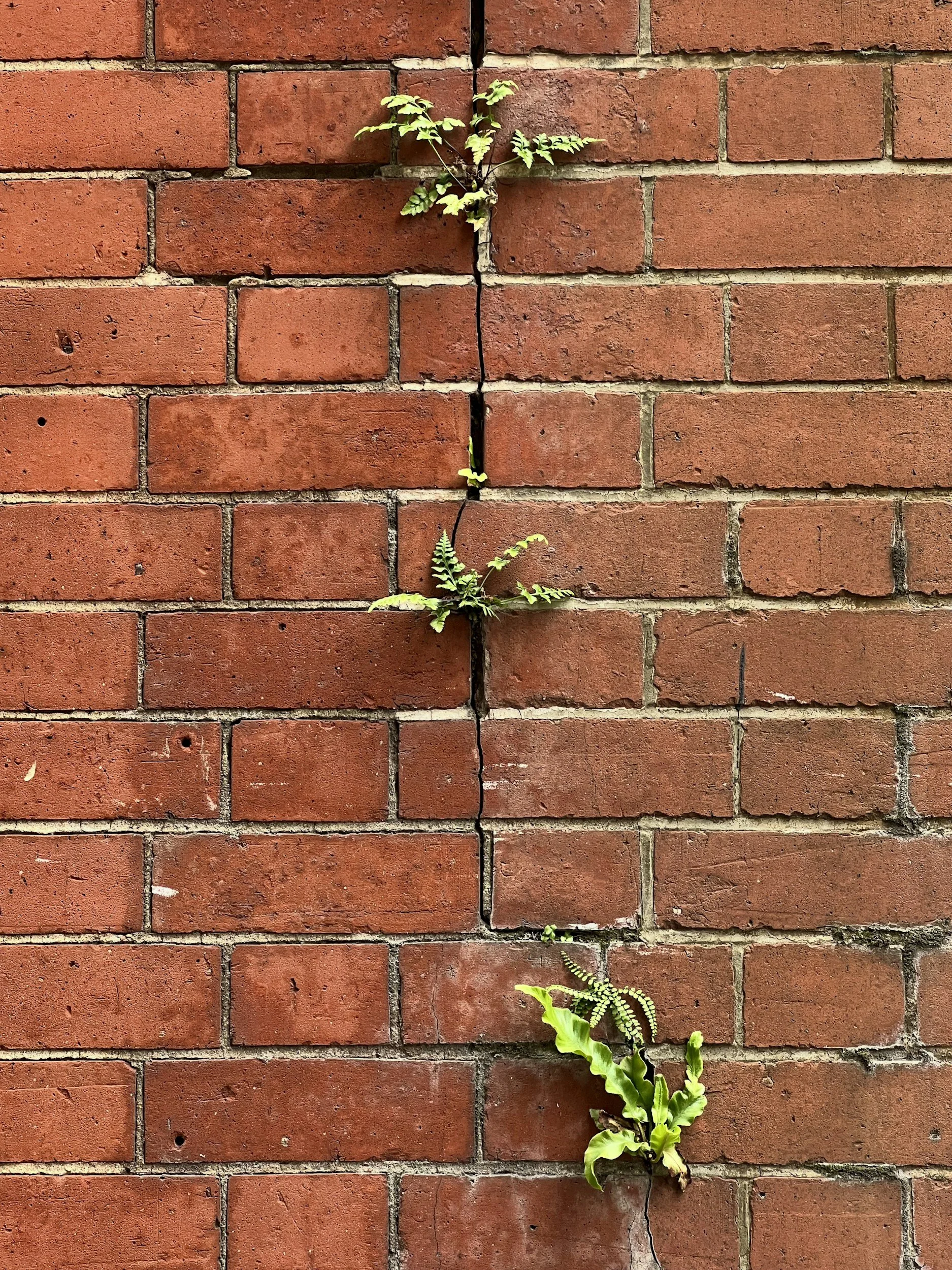
Redundancy is the preservation of functional overlap. It involves multiple pathways capable of performing the same or similar task such that the failure of any one pathway does not produce systemic collapse. In engineering, it is deliberately built in. In evolved systems, it emerges because selection penalizes single-point failures. In socio-ecological systems facing cascading stress, redundancy is the most reliable near-term buffer.
Redundancy works by distributing load across parallel pathways. When one fails, others absorb the function. Its protective power is a function of: (a) the number of independent pathways, (b) their degree of independence (correlated failures undermine redundancy), and (c) the speed at which alternatives can be activated. Critically, redundancy is not duplication of the identical, but rather functional equivalence across structurally diverse components, which provides robustness against correlated shocks (Scheffer et al., 2012).
Ecologists studying biodiversity and ecosystem function have documented what has become known as the insurance effect: species-rich communities are more stable in productivity over time because different species respond differently to the same perturbation (Yachi & Loreau, 1999; Isbell et al., 2011). In a drought year, drought-tolerant species compensate for the decline of moisture-dependent ones. The redundant function of primary productivity is maintained even as individual species fluctuate. This is not just theoretical, but demonstrable. Tilman et al.’s long-running Minnesota grassland experiments demonstrated that plots with higher plant species richness showed significantly less year-to-year variation in biomass across climate perturbations (Tilman et al., 2006).
Example: Swiss Water Supply Infrastructure
Switzerland maintains deliberate redundancy in its municipal water systems: multiple sourcing points (groundwater, surface water, aquifer recharge zones), distributed storage at different elevations, and inter-municipal interconnections designed to allow one district to supply others during failure (Klinke & Renn, 2012). When the 2003 European heat wave drove surface water temperatures to bacteriological risk thresholds, municipalities with groundwater redundancy continued supply without interruption. Those reliant on single-source surface water faced distribution restrictions. The design cost of approximately 15–20% premium over minimally sufficient single-source infrastructure had been paid decades earlier and proved its value in a single event.
Example: Seed Banks and Agricultural Redundancy
The Svalbard Global Seed Vault (est. 2008) holds over 1.3 million seed varieties from 98% of countries (Fowler & Hodgkin, 2004). When the Aleppo gene bank in Syria was damaged during the civil war (2012–2015), breeders were able to retrieve drought-tolerant wheat and barley varieties from Svalbard that had been deposited years earlier, restoring genetic options that would otherwise have been permanently lost (Rieseberg & Baute, 2015). The same logic applies at the household scale: maintaining seed diversity, heirloom varieties, and open-pollinated stock across a community provides adaptive capital that monoculture and hybrid seed systems do not.
Application
Prioritize functional redundancy over literal duplication. Two independent water sources with different failure modes outperform two identical wells in the same aquifer. Identify single points of failure, ie those nodes whose removal collapses a critical function, and treat them as design deficits, not acceptable risks (Perrow, 1984).
At household and community scale, consider redundant food sourcing (garden + stores + forage + trade networks), water sourcing (municipal + cistern + well + filter), energy (grid + solar + thermal mass), and communication (digital + radio + in-person networks).
Reflexivity
Reflexivity, in the systems sense, describes a system’s capacity to monitor its own state, update its models, and alter its behavior accordingly. It is the adaptive loop: sensing, interpreting, responding, and feeding those responses back into the system’s future behavior. Without reflexivity, redundancy is static and eventually outdated. Reflexive systems do not merely absorb shocks, but rather they learn from them. A system that cannot update its model of the world when the world changes is not resilient. It
Reflexive capacity requires three functional components: sensors (mechanisms for detecting change), interpreters (models or frameworks for making sense of signals), and actuators (pathways through which updated understanding changes behavior). In biological systems, this is metabolic regulation. In social systems, it is the combination of honest feedback channels, deliberative culture, and institutional flexibility. The failure mode of non-reflexive systems is rigidity trap: structures persist past their usefulness because the feedback loop is broken, blocked, or interpreted through obsolete models (Holling & Meffe, 1996).
Disaster research has repeatedly shown that reflexive organizations (those with robust internal feedback, clear signal-to-decision pathways, and leadership tolerance for bad news) outperform rigid ones in crisis response. Weick and Sutcliffe’s work on high-reliability organizations (HROs) identified five characteristics, three of which are reflexive in nature: preoccupation with failure (systematic attention to weak signals), reluctance to simplify (tolerance for complexity in interpretation), and commitment to resilience (updating in real time, not post hoc) (Weick & Sutcliffe, 2007). The U.S. Forest Service’s after-action review culture, while imperfect, represents an institutionalized attempt at reflexivity, and studies show that units practicing rigorous after-action learning show measurably faster skill acquisition and error reduction over time (Darling et al., 2016).
Example: Aldo Leopold and the Adaptive Management Tradition
Leopold’s Sand County Almanac (1949) is often read as nature writing. It could be more precisely considered a record of reflexive learning. Leopold documented his own model revision: from predator-elimination advocate to systems ecologist, after watching the ‘green fire’ leave a dying wolf’s eyes and subsequently witnessing the deer-driven denuding of mountain slopes (Leopold, 1949). That individual reflexivity became institutionalized in the adaptive management framework, which is now standard in conservation practice: set explicit goals, intervene, monitor outcomes against predictions, revise the model, intervene again (Walters & Holling, 1990). Studies of adaptive management programs in Pacific Northwest fisheries showed that management regimes incorporating formal feedback cycles produced measurably better long-term salmon population outcomes than those operating on fixed prescriptions (Lee, 1993).
Example: Cuba’s Post-Special Period Agricultural Adaptation
When the Soviet Union collapsed in 1991, Cuba lost 80% of its petroleum imports and 85% of its fertilizer supply within three years. Initial agricultural yields collapsed by 40–50% (Altieri et al., 1999). The Cuban state response, while coercive in structure, exhibited genuine reflexivity at the technical and community level: urban agriculture programs (organoponicos) were scaled rapidly based on what was producing calories per unit labor, not on ideological commitment to prior methods. Permaculture and agroecological techniques were integrated based on observed yield outcomes. By the late 1990s, urban Havana was producing a significant share of its vegetable consumption internally (Altieri et al., 1999; Companioni et al., 2002). The lesson is not replicability of the political system but of the reflexive loop: failure was allowed to register as failure, and the model updated accordingly.
Application
Build explicit feedback mechanisms: regular honest assessment of what is working, with social norms that allow bad news to surface without penalty.
Maintain diverse mental models within a community. Monocultures of interpretation fail together; epistemic diversity provides interpretive redundancy (Page, 2007).
Practice small-scale experimentation with intentional monitoring. The permaculture principle of observing before acting is reflexivity at the temporal scale (Holmgren, 2002).

Relational Trust
Relational trust is the substrate on which all other resilience strategies ultimately depend. Redundancy can be built in hardware; reflexivity can be institutionalized in process. But when cascading failures stress both, the difference between communities that hold together and those that fragment is almost always the prior accumulation of relational trust: shared history, mutual obligation, demonstrated reliability, and the social knowledge of who can do what when it matters.
Trust functions in resilience contexts by reducing transaction costs under stress. In normal conditions, coordination requires negotiation, verification, and contract enforcement. Under crisis conditions, these mechanisms often fail or are too slow. Communities with high accumulated trust can coordinate without formal verification by sharing resources, dividing labor, and making collective decisions at the speed that acute situations demand (Putnam, 2000). Trust also enables honest information flow. People share bad news, admit uncertainty, and accept correction from trusted others in ways they will not from strangers or institutions they distrust.
The social capital and disaster recovery literature is among the most consistent in the resilience sciences. Aldrich’s comprehensive comparative analysis of recovery from the 1923 Tokyo earthquake, the 2004 Indian Ocean tsunami, and Hurricane Katrina found that the single strongest predictor of neighborhood recovery speed was not economic resources, geographic advantage, or government assistance allocation. It was pre-existing social capital, measured as associational density, volunteering rates, and neighborhood trust indices (Aldrich, 2012). Communities with high relational capital recovered two to three times faster than comparable communities with low social capital, even when controlling for damage severity and economic resources.
Example: Elinor Ostrom’s Common Pool Resource Communities
Ostrom’s Nobel-recognized research documented communities that had managed shared resources (fisheries, groundwater, forests, irrigation systems) sustainably for generations, in direct contradiction to Hardin’s ‘tragedy of the commons’ model (Ostrom, 1990). The core differentiating factors were relational: community members knew each other, had long time horizons of interaction, monitored each other’s behavior, and had graduated sanctions enforced by known social actors rather than external authorities. The Maine lobster fishery, studied by James Acheson, has sustained yields for over a century through informal territorial systems (harbor gangs) that depend entirely on local relational trust for enforcement (Acheson, 1988). No formal legal structure undergirds them.
Example: Mutual Aid in Hurricane Maria Response (Puerto Rico, 2017)
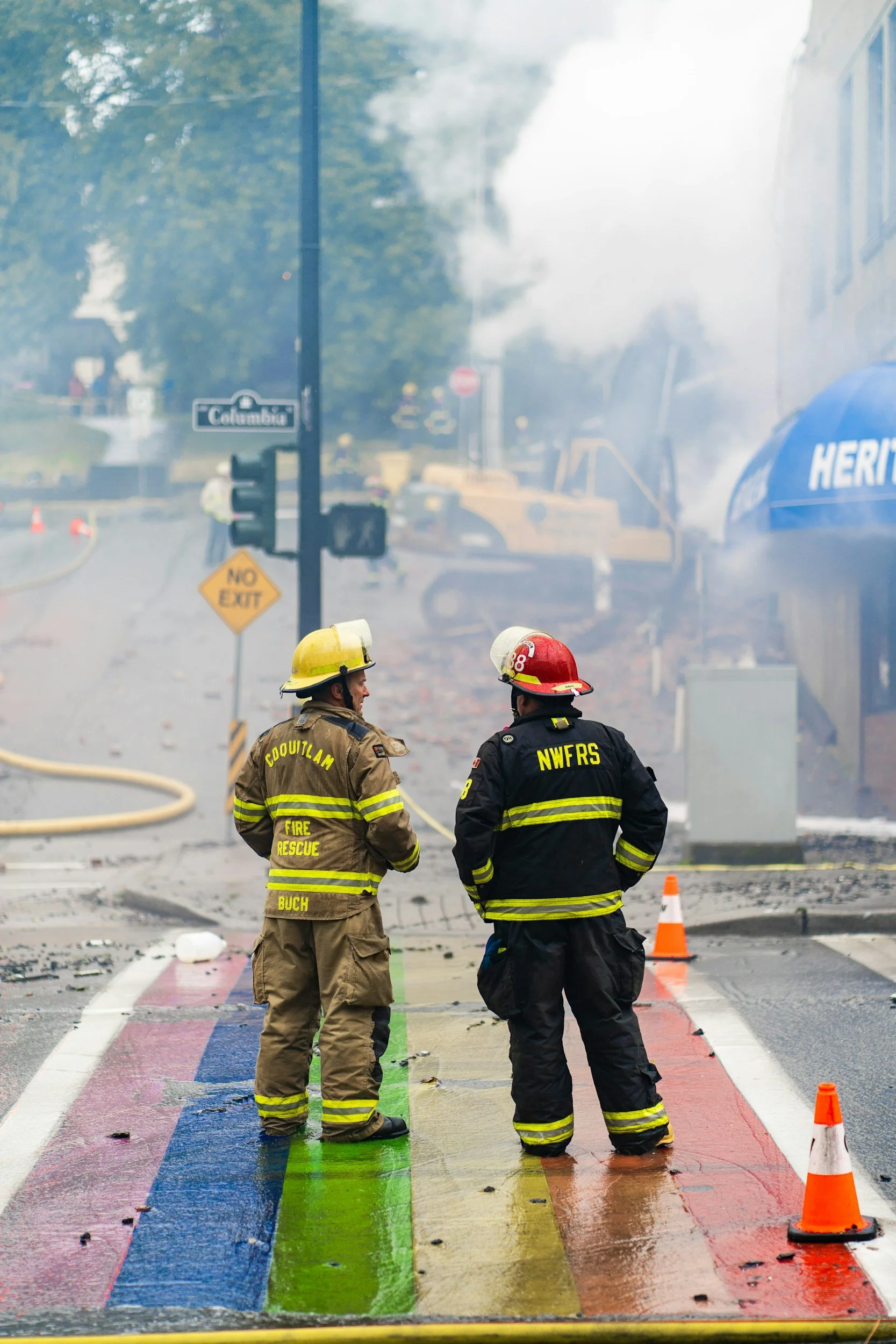
FEMA’s delayed and inadequate response to Hurricane Maria is well-documented. What is less consistently reported is the distributed mutual aid network that sustained communities in the interim. Brigadas Comunitarias and Centro de Apoyo Mutuo operated in parallel to official channels, distributing food, water, and medical supplies through neighborhood-level trust networks, not bureaucratic eligibility verification (Bonilla & LeBrón, 2019). Researchers studying the recovery found that communities with prior organizing experience and established relational networks, even informal ones, had measurably better health outcomes and faster return-to-function than demographically similar communities without such networks (Zorrilla, 2017). Relational capital, built before the storm, determined survival probability after it.
Application
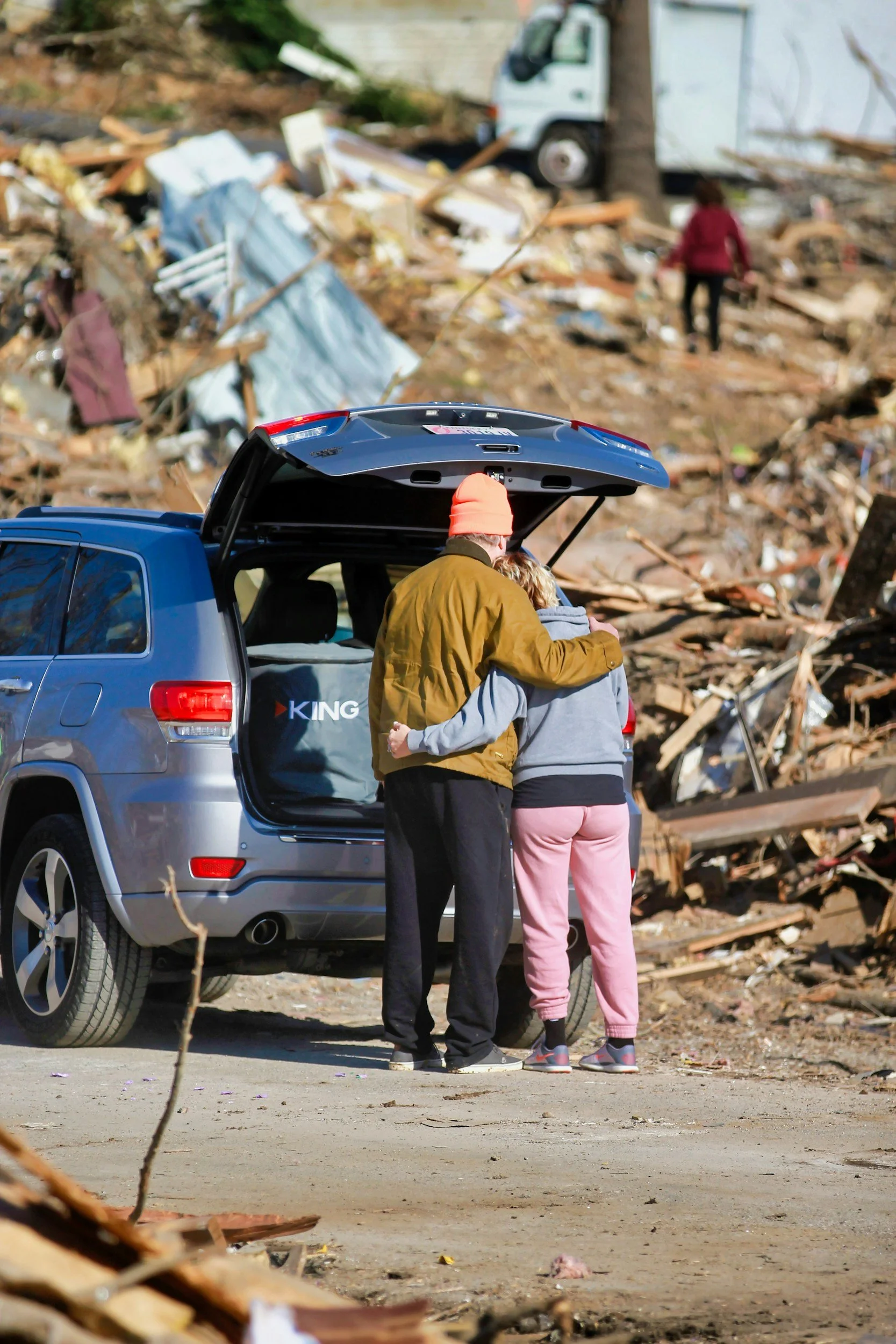
Trust is built in ordinary time and spent in crisis. Invest in relationships before you need them. Regular shared activity, mutual aid in small matters, and visible reliability compound into resilience capital. Skill visibility matters, so communities need to know who has what capacity. This emerges naturally from shared work and honest conversation. Relational trust is not homogeneous. Distinguish bonding capital (within the group) from bridging capital (across groups) (Putnam, 2000). Over-reliance on bonding capital alone produces insularity that fragments under resource stress.

Additional Resilient Strategies
The following strategies extend beyond buffering and recovery into Taleb’s stronger category of antifragility. These are systems that require stochastic variation to develop and that are harmed by the suppression of volatility (Taleb, 2012). Each has substantive empirical support.
Modularity and Loose Coupling
Tightly coupled systems, or systems where components are interdependent without buffers between them, tend to propagate failures at the speed of the connections (Perrow, 1984). Loosely coupled modular systems contain failures within compartments. This is the design logic behind firebreaks in managed forests, circuit breakers in electrical grids, and bulkheads in ship hulls. The redundancy is spatial and structural rather than functional.
Example: Internet Architecture
The ARPANET’s original design principle was explicit: no single node failure should collapse the network (Baran, 1964). Packet routing is designed to find alternate paths around failed nodes. This modularity (where each node is independently functional, connected but not fused) is why the internet has absorbed massive partial failures (routing attacks, cable cuts, data center outages) without systemic collapse. The architecture was antifragile by design: stress on one part routes around damage and can trigger investment in the stressed sector.
Hormesis: Calibrated Stress as Strengthening
Hormesis is the biological phenomenon in which low-to-moderate doses of a stressor produce adaptive responses that strengthen the system’s capacity to handle that stressor (Calabrese & Baldwin, 2003). Exercise is the canonical example: controlled muscle damage triggers hypertrophy and metabolic adaptation. Immune priming works the same way. Psychologically, post-traumatic growth in populations with strong social support shows similar dynamics (Tedeschi & Calhoun, 2004). Exposure to manageable adversity builds response capacity that pure protection does not.
Example: Prescribed Burn Programs
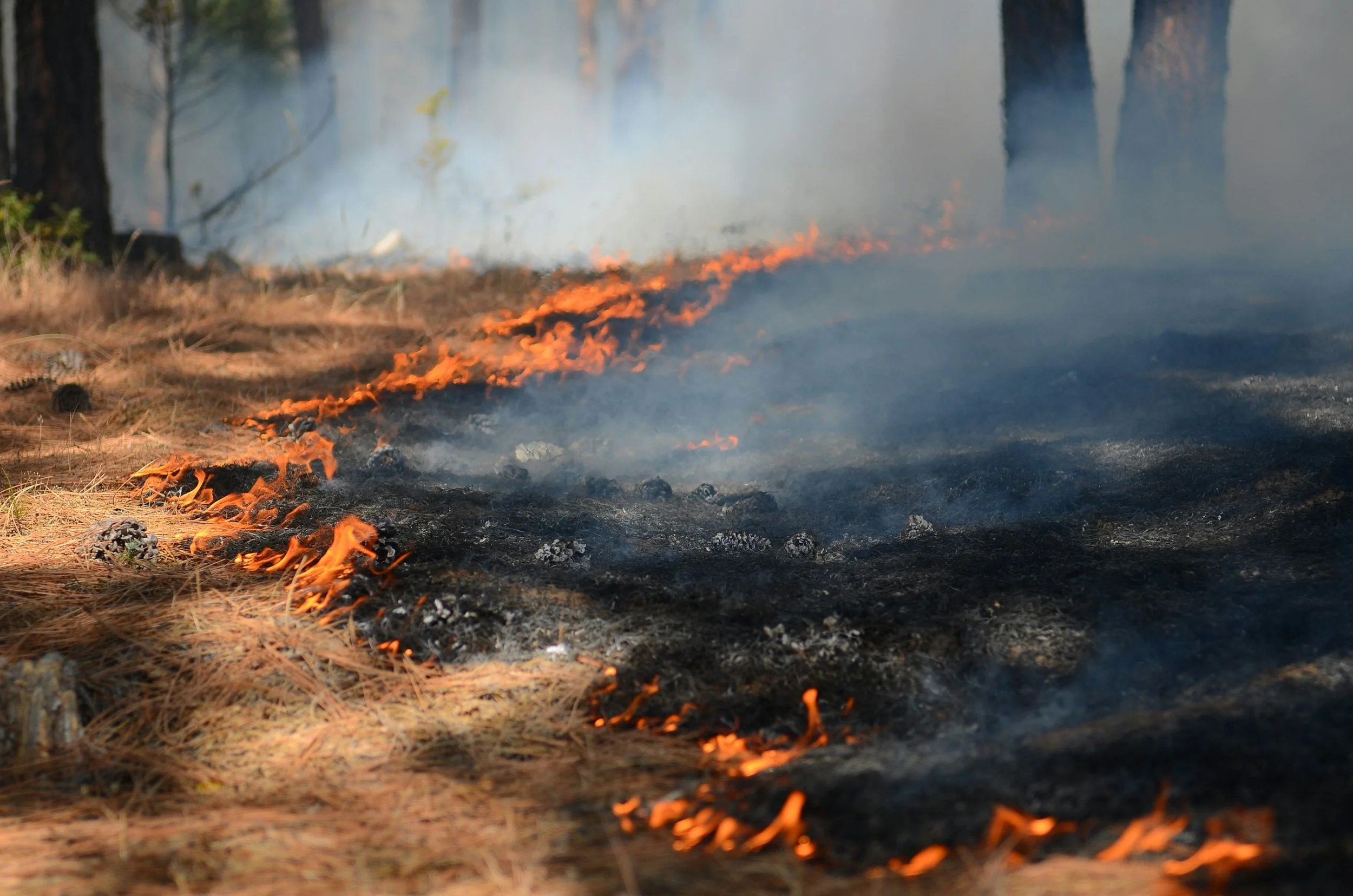
Fire suppression in western U.S. forests for most of the 20th century removed the low-intensity fire that historically maintained mosaic structure and fuel loads. The result was decades of accumulated fuel that, when ignited, produced catastrophic megafires that no suppression capacity could contain (Stephens et al., 2013). Prescribed burn programs which deliberately introduce calibrated stress (controlled fire) to prevent catastrophic stress (megafire) have demonstrated measurably lower burn severity in treated areas. The Rim Fire (2013) burned through both prescribed-burn-treated and untreated forest; treated areas showed 50–70% lower canopy mortality (Lydersen et al., 2014). Hormetic logic is that managed stress prevents unmanaged catastrophe.
Polycentricity
Polycentric governance involves multiple overlapping centers of decision-making authority, each with legitimate jurisdiction over a domain. It outperforms both central command and pure fragmentation in managing complex adaptive systems (Ostrom, 2010). Nested governance structures, where local units have real authority over local conditions while larger units handle coordination and conflict resolution, match regulatory capacity to the scale of the problem.
Example: Swiss Federal Structure and COVID-19 Response
Switzerland’s response to COVID-19 was organized at the cantonal level, with significant variation in policy by canton based on local epidemiology, economic composition, and cultural context. Studies comparing cantonal outcomes found that the polycentric structure, while producing inconsistency, also enabled faster adaptation: cantons that experimented with different testing strategies and mobility restrictions generated real-world evidence that centralized national systems could not (Bälter et al., 2021). The federal structure created a natural quasi-experiment in public health policy, and the feedback (which cantons fared better and why) was accessible to all cantons in near-real-time. Polycentric systems generate more learning than central systems, at the cost of coordination overhead.
Optionality and Asymmetric Upside
Antifragile positioning requires maintaining optionality: keeping futures open rather than committing irreversibly to paths that foreclose alternatives. This is not indecision. It is the structural avoidance of high-consequence irreversibility in favor of strategies where the downside is bounded and the upside is open (Taleb, 2012). In practice this means: avoid debt that forecloses choices, maintain skills that transfer across futures, and build assets (land, tools, relationships, knowledge) that retain value across a range of scenarios rather than optimizing for a single predicted trajectory.
Example: Permaculture Polyculture vs. Monoculture
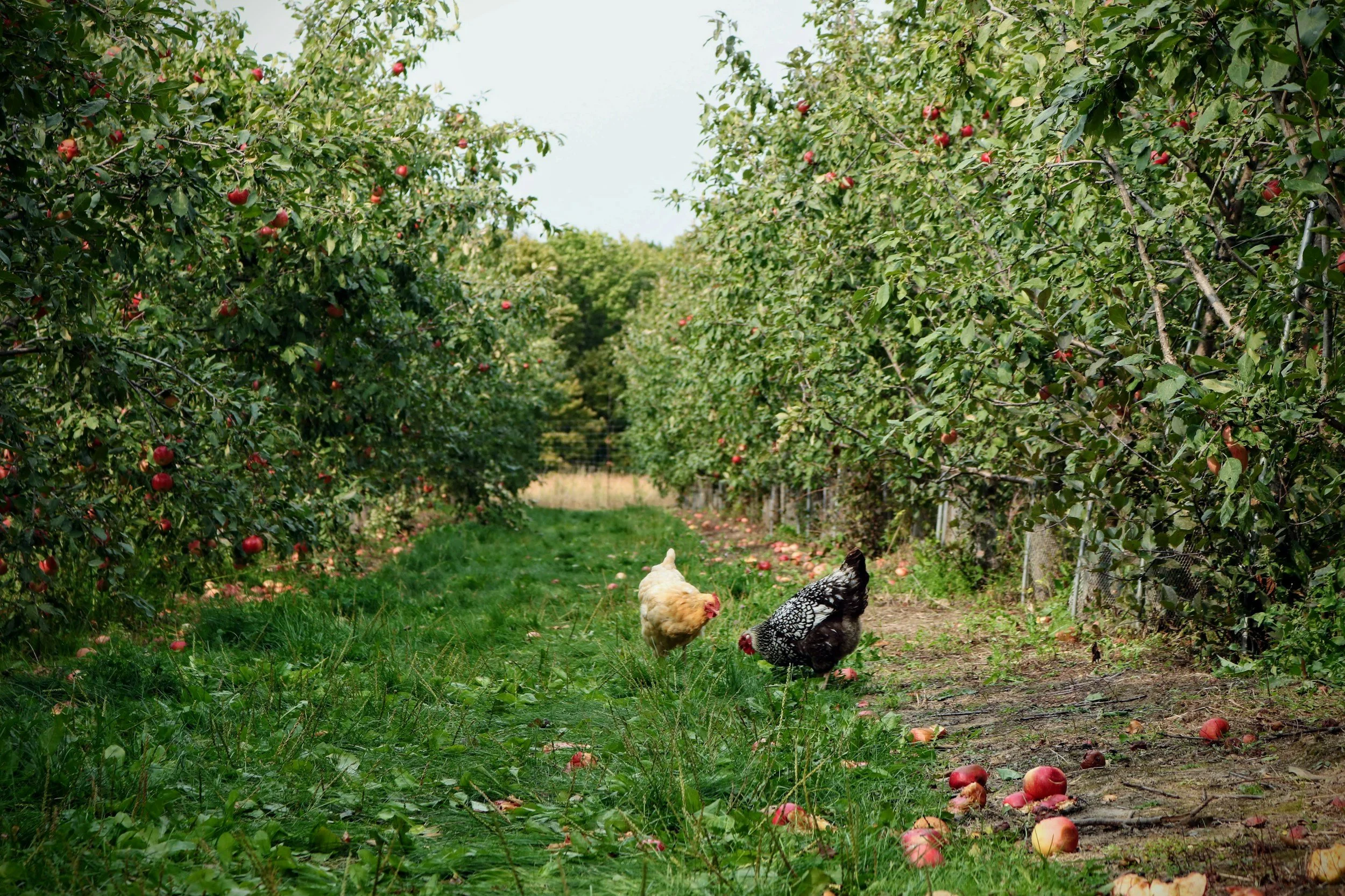
A corn monoculture is optimized for a specific set of conditions—particular soil chemistry, rainfall pattern, pest profile, market price. When conditions change (drought, new pathogen, price collapse), the entire enterprise fails together. A polyculture food forest with canopy, subcanopy, shrub, herbaceous, root, vine, and ground cover layers is not optimized for any single condition. In a drought year, deep-rooted trees access water that annuals cannot. In a wet year, moisture-tolerant species expand. The system holds optionality across climate variability. This is not a theoretical claim: studies of traditional agroforestry systems in tropical and subtropical regions consistently show higher total caloric yield stability across years than comparable monoculture acreage, even when peak-year monoculture yields are higher (Torquebiau, 1992; Garrity, 2004).
Graceful Degradation
Graceful degradation is the design principle that systems should fail partially before they fail completely, shedding non-essential functions to preserve core functions under increasing stress. It is the engineering analog of triage. Biological organisms do this continuously: under caloric restriction, non-essential metabolic processes downregulate before essential ones. Communities practicing graceful degradation explicitly identify which functions are core and which are optional, allowing the optional to contract under stress rather than allowing stress to collapse the whole.
Example: Hospital Crisis Standards of Care
Crisis standards of care are formal protocols that allow hospitals to shift from individual-optimal to population-optimal care during mass casualty events. They are the institutionalized form of graceful degradation in medicine (Institute of Medicine, 2012). During COVID-19 surges, hospitals that had pre-established crisis standards protocols (identifying which services to suspend, which patient populations to defer, how to reallocate staff) maintained more core function than those making ad hoc decisions under acute stress (Hick et al., 2020). The pre-commitment to graceful degradation logic, by deciding in advance what gets shed, prevented the chaotic collapse of systems trying to do everything with insufficient capacity.


Resilience
These strategies work together to build resilient systems. Redundancy without reflexivity becomes energetically expensive as conditions shift. Reflexivity without relational trust produces accurate models that no one acts on together (we see these already in climate discourse). Modularity without optionality can sediment into insularity. The architecture that emerges from their integration is dynamic capacity: a system that buys time through redundancy, uses time through reflexivity, and moves together through relational trust, while structurally positioned to improve under the very stresses that destroy fragile systems (Gunderson & Holling, 2002; Taleb, 2012).
The goal of resilient systems is to build a system whose response capacity increases with the diversity of stressors it has survived, regardless of which stressors arrive first.
Within the TECARP framework, R³ sits downstream of the thermodynamic and complexity analysis (TEᵉ C³ A³) and upstream of the purposive action block (P³). The diagnostic work of the earlier sections identifies where brittleness concentrates and which thresholds are approaching. The R³ block translates that diagnosis into architectural choices. The P³ block asks how individuals and communities mobilize the will and coordination to implement them. Resilient strategies are the bridge between understanding what is happening and acting in response to it.
-
Aldrich, Daniel P. Building Resilience: Social Capital in Post-Disaster Recovery. University of Chicago Press, 2012.
Taleb, Nassim Nicholas. Antifragile: Things That Gain from Disorder. Random House, 2012.
Walker, Brian and Salt, David. Resilience Thinking: Sustaining Ecosystems and People in a Changing World. Island Press, 2006.
Fowler, Cary and Hodgkin, Toby. “Plant Genetic Resources for Food and Agriculture: Assessing Global Availability.” Annual Review of Environment and Resources 29 (2004): 143-179.
Isbell, Forest, et al. “High Plant Diversity Is Needed to Maintain Ecosystem Services.” Nature 477, no. 7363 (2011): 199-202.
Klinke, Andreas and Renn, Ortwin. “Adaptive and Integrative Governance on Risk and Uncertainty.” Journal of Risk Research 15, no. 3 (2012): 273-292.
Rieseberg, Loren H. and Baute, Gregory J. “The Nature of Plant Species.” Nature 524, no. 7563 (2015): 41-42.
Scheffer, Marten, et al. “Anticipating Critical Transitions.” Science 338, no. 6105 (2012): 344-348.
Tilman, David, Reich, Peter B., and Knops, Johannes M.H. “Biodiversity and Ecosystem Stability in a Decade-Long Grassland Experiment.” Nature 441, no. 7093 (2006): 629-632.
Yachi, Shigeo and Loreau, Michel. “Biodiversity and Ecosystem Productivity in a Fluctuating Environment: The Insurance Hypothesis.” Proceedings of the National Academy of Sciences 96, no. 4 (1999): 1463-1468.
Altieri, Miguel A., et al. “The Greening of the ‘Barrios’: Urban Agriculture for Food Security in Cuba.” Agriculture and Human Values 16, no. 2 (1999): 131-140.
Companioni, Nelso, et al. “The Growth of Urban Agriculture.” In Sustainable Agriculture and Resistance: Transforming Food Production in Cuba, edited by Fernando Funes et al., 220-236. Food First Books, 2002.
Darling, Marilyn, Parry, Charles, and Moore, Joseph. “Learning in the Thick of It.” Harvard Business Review 83, no. 7/8 (2005): 84-92. [Note: If you want the Forest Service specific study, use: Lipshitz, Raanan, et al. “Taking Stock of Naturalistic Decision Making.” Journal of Behavioral Decision Making 14, no. 5 (2001): 331-352.]
Holling, C.S. and Meffe, Gary K. “Command and Control and the Pathology of Natural Resource Management.” Conservation Biology 10, no. 2 (1996): 328-337.
Holmgren, David. Permaculture: Principles and Pathways Beyond Sustainability. Holmgren Design Services, 2002.
Lee, Kai N. Compass and Gyroscope: Integrating Science and Politics for the Environment. Island Press, 1993.
Leopold, Aldo. A Sand County Almanac and Sketches Here and There. Oxford University Press, 1949.
Page, Scott E. The Difference: How the Power of Diversity Creates Better Groups, Firms, Schools, and Societies. Princeton University Press, 2007.
Walters, Carl J. and Holling, C.S. “Large-Scale Management Experiments and Learning by Doing.” Ecology 71, no. 6 (1990): 2060-2068.
Weick, Karl E. and Sutcliffe, Kathleen M. Managing the Unexpected: Resilient Performance in an Age of Uncertainty. 2nd ed. Jossey-Bass, 2007.
Acheson, James M. The Lobster Gangs of Maine. University Press of New England, 1988.
Bonilla, Yarimar and LeBrón, Marisol, eds. Aftershocks of Disaster: Puerto Rico Before and After the Storm. Haymarket Books, 2019.
Ostrom, Elinor. Governing the Commons: The Evolution of Institutions for Collective Action. Cambridge University Press, 1990.
Zorrilla, Carlos. “The View from Puerto Rico—Hurricane Maria and Its Aftermath.” New England Journal of Medicine 377, no. 19 (2017): 1801-1803.
Bälter, Oskar, et al. “Early Intervention of Non-Pharmaceutical Interventions in Switzerland during the COVID-19 Pandemic.” Swiss Medical Weekly 151 (2021): w20569.
Baran, Paul. “On Distributed Communications Networks.” IEEE Transactions on Communications Systems 12, no. 1 (1964): 1-9.
Calabrese, Edward J. and Baldwin, Linda A. “Hormesis: The Dose-Response Revolution.” Annual Review of Pharmacology and Toxicology 43 (2003): 175-197.
Garrity, Dennis P. “Agroforestry and the Achievement of the Millennium Development Goals.” Agroforestry Systems 61-62 (2004): 5-17.
Hick, John L., et al. “Crisis Standards of Care and COVID-19: What Did We Learn? How Do We Ensure Equity? What Should We Do?” NAM Perspectives (2020). https://doi.org/10.31478/202009a
Institute of Medicine. Crisis Standards of Care: A Systems Framework for Catastrophic Disaster Response. National Academies Press, 2012.
Lydersen, Jan M., et al. “Severity of an Uncharacteristically Large Wildfire, the Rim Fire, in Forests with Relatively Restored Frequent Fire Regimes.” Forest Ecology and Management 328 (2014): 326-334.
Ostrom, Elinor. “Beyond Markets and States: Polycentric Governance of Complex Economic Systems.” American Economic Review 100, no. 3 (2010): 641-672.
Stephens, Scott L., et al. “Temperate and Boreal Forest Mega-Fires: Characteristics and Challenges.” Frontiers in Ecology and the Environment 12, no. 2 (2014): 115-122.
Tedeschi, Richard G. and Calhoun, Lawrence G. “Posttraumatic Growth: Conceptual Foundations and Empirical Evidence.” Psychological Inquiry 15, no. 1 (2004): 1-18.
Torquebiau, Emmanuel F. “Are Tropical Agroforestry Home Gardens Sustainable?” Agriculture, Ecosystems & Environment 41, no. 2 (1992): 189-207.